Rails to Feathers: Urban Birding Adventures from UK Stations

Set your sights on urban birding trails starting from major UK railway hubs, where platforms become gateways to canals, parks, rivers, and rooftops alive with raptors and song. We’ll show how to step from concourse to kingfisher in minutes, share practical tips for timing and access, and celebrate real encounters gathered beside iron bridges and brick arches. Join our community, swap sightings, and subscribe for fresh routes that begin exactly where your journey ends: right outside the ticket barriers.

Step Off the Train, Step Into Wildness

City stations can be astonishing trailheads, linking Victorian viaducts and new promenades to pockets of thriving habitat. With a map in your pocket and curiosity leading the way, you can reach wetlands, towpaths, and rooftop skies faster than a coffee queue moves. This guide focuses on simple, repeatable routes you can walk in ordinary shoes, with clear landmarks and safe crossings. Expect the unexpected: peregrines circling clocktowers, wagtails dancing on platforms, and moorhens shepherding chicks beneath rumbling rail lines.

From London King’s Cross to Camley Street and Regent’s Canal

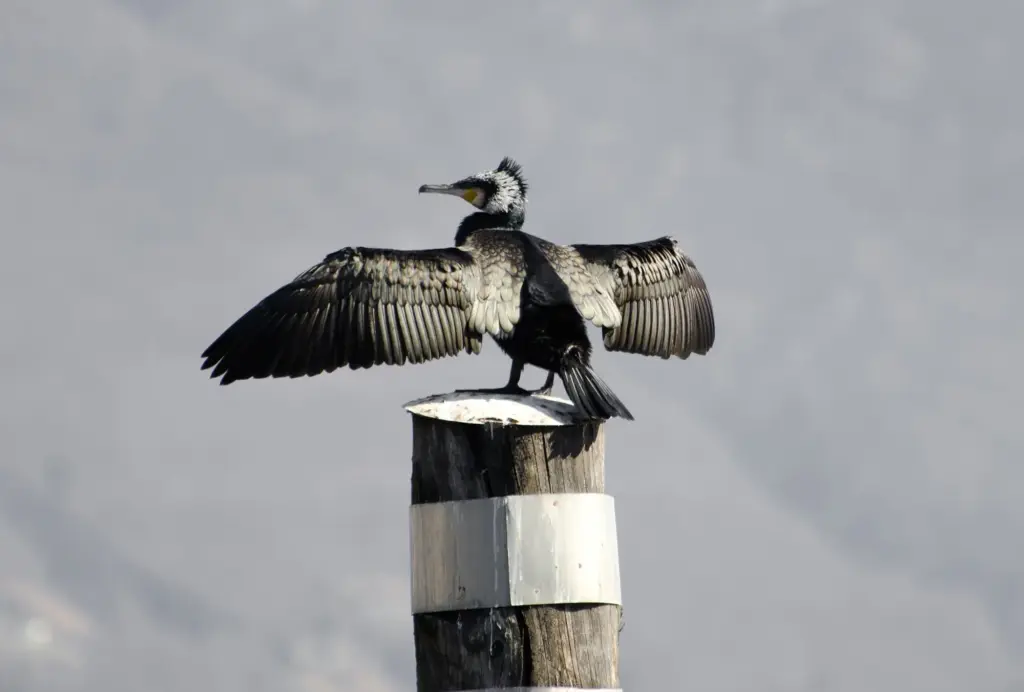
Exit via Pancras Road, drift past Granary Square, and in minutes you’ll breathe the green hush of Camley Street Natural Park, where reeds muffle city clatter. Follow the Regent’s Canal towpath for cormorants drying wings, little grebes bobbing like corks, and swifts scything summer air. Pause under bridges for grey wagtails and listen for the sudden metallic zip of a kingfisher. Grab an espresso, then count species over lunch while trains glide above, a steel lullaby to wild water below.

Manchester Piccadilly to the Medlock and Ancoats
Leave the station toward Mayfield Park and the River Medlock’s restored banks, where herons pose on stone ledges and dippers wink past in cold months. Continue to Ancoats Marina for black-headed gulls, coots fussing with twigs, and pied wagtails pecking midges from quay stones. Industrial brick, glass reflections, and canal stillness invite patient scanning for a turquoise streak. When rain teases ripples, watch surface insects concentrate birds near locks, turning brief showers into perfect viewing windows between trains.

Spring and Autumn Windows for Migrants
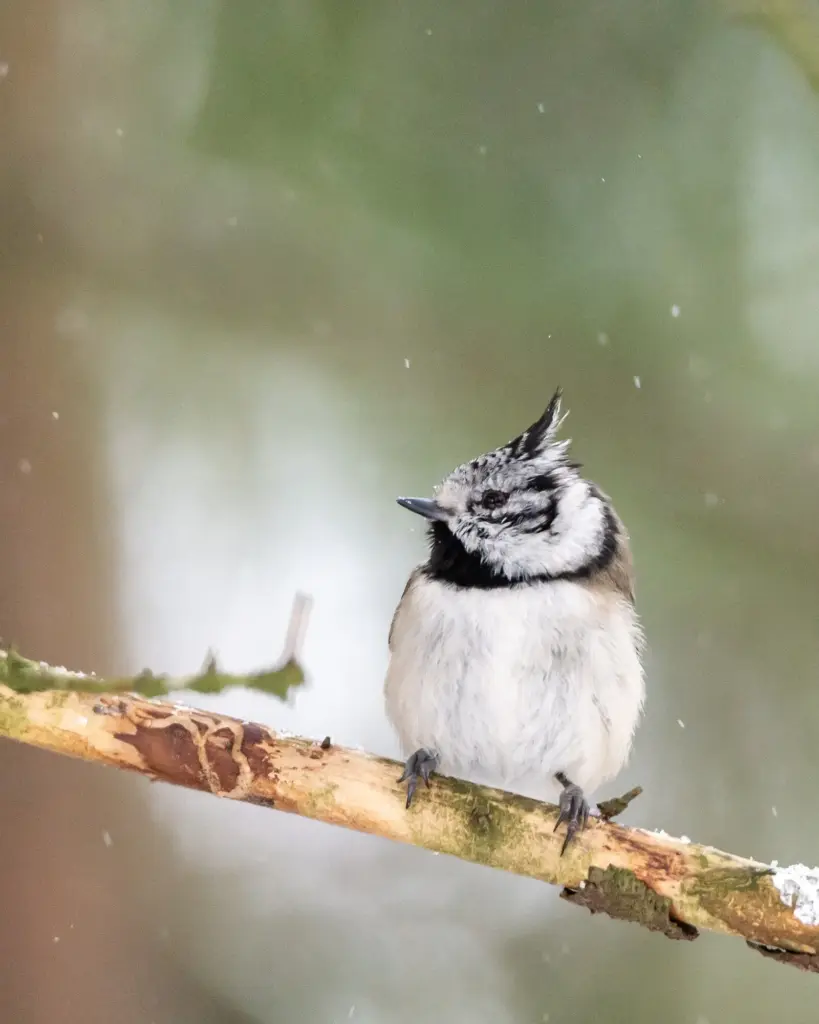
In April and May, and again from late August through October, station-adjacent corridors become aerial highways for swallows, house martins, and warblers navigating by rivers and rooftops. Early mornings reveal restless movement, while drizzly conditions sometimes drop birds closer to eye level. Scan hedges by footbridges for chiffchaffs, and listen for thin flight calls overhead. Even brief platform waits can produce swifts rehearsing crescendos under eaves, their screams bouncing between bricks like excited messages written across the sky.

Winter Gulls, Thrushes, and Urban Roosts

When frost paints railings, look for gulls riding thermal plumes from station vents, sorting common species by mantle shade and wing-tip pattern. At dusk, starlings may braid into murmuration ribbons over nearby squares, before pouring into ivy-draped roosts. Thrushes pluck last berries in dim courtyards, as foxes ghost canal edges. Choose bright midday windows for best light on identification, and bring a notebook for subtle features. Cold focuses movement, compressing wildlife into luminous, observable pockets between errands.

Birds You Can Meet Beside the Rails

Even in the densest districts, species adapt brilliantly to ledges, ducts, and waterways. Knowing a handful of regulars turns chaos into pattern: peregrines haunt high lines, kingfishers stitch neon along canals, wagtails patrol platforms like tiny conductors. Black redstarts love scaffolds; swifts master summer skies; cormorants stand like statues beside lock gates. Recognize calls and silhouettes, and your commute becomes a field course. Each sighting anchors memory to place, building a living map of feathered neighbors.

Travel Light, Watch Right

You don’t need a trunk of equipment to turn a city walk into a rich survey. A compact pair of binoculars, a weatherproof phone with offline maps, and a small notebook elevate every step. Good footwear and a reusable bottle matter more than heavy lenses. Practice considerate positioning on narrow towpaths, yield to cyclists, and greet security with openness if questioned. Smile, share enthusiasm, and you’ll often gain tips from locals. Staying nimble lets you pivot with sightings and trains alike.

Accessible Routes for Every Birder

Great wildlife should never hinge on steep steps or complicated transfers. Many station-to-nature routes offer step-free access, benches, gentle gradients, and clear surfaces suitable for wheels, sticks, or small legs. This section highlights realistic distances, tactile landmarks, and quieter periods to avoid crowds. Pair these walks with accessible facilities, including toilets, lifts, and cafés that welcome lingering notebooks. If conditions change, staff often know workable alternatives. Thoughtful planning makes room for comfort, focus, and the kind of patient watching birds reward.

True Stories from Platform to Park

Moments that hook us often arrive between errands: a flash, a call, an impossible swoop. These short accounts come from casual lunch breaks and missed connections turned into gentle detours. They show how curiosity, patience, and a few good landmarks transform travel friction into wonder. Read, add your own in the comments, and subscribe for future route prompts. Your stories may guide someone else’s first sighting, threading kindness and fieldcraft through the same streets we all share daily.

A Lunchtime Peregrine Above Birmingham New Street

I looked up from a sandwich and saw a compact falcon etching circles above the atrium glass, sunlight firing the slate cap. Pigeons ballooned, then snapped tight as a stoop knifed through them with disciplined silence. Only drifting feathers confessed the outcome. A guard, curious, borrowed my binoculars and grinned like a conspirator. We compared notes, agreed the city felt cleaner with raptors patrolling, and parted lighter. Fifteen minutes later, my train left, and everything ordinary had quietly shifted.

Waxwings on the Clyde During a Bumper Berry Winter

Near Glasgow Central, a rowan bowed under fruit and gossiping commuters. A silky flock arrived, crests jaunty, wing wax tips glowing like varnished embers. They swallowed berries, passed them daintily, and hopscotched wires with polite whistles. Strangers gathered, sharing warmth and lenses without ceremony. One man phoned his daughter, holding the speaker up so she could hear the trills. For a week, the tree became a festival. When the berries vanished, they left a hummingspace that still tastes sweet.

First Kingfisher by Manchester’s Canals

A child tugged my sleeve, whispering, “Is that a jewel?” There, low over the Medlock, lightning-blue stitched water to shade. We traced its arc to a metal brace, then held our breath through a clean plunge and successful rise. The child’s laugh surprised ducks into ripples, and even cyclists slowed, smiling at our chorus. We logged the sighting together, added a tiny drawing, and promised hot chocolate to celebrate. Later, the notebook smelled faintly of damp reeds and victory.