
Chasing Wings Across Britain, Car‑Free
Today we’re exploring seasonal migration watching spots in the UK without a car, celebrating routes where rails, buses, ferries, and footpaths carry you to unforgettable encounters. Expect practical timing advice, real places, ethical guidance, and stories that prove patience, curiosity, and public transport can place you exactly where the sky opens during spring surges, autumn funnels, and winter spectacles.
Map Out the Journey, Let the Birds Set the Clock
Good planning transforms a distant horizon into a reachable shoreline. When you match daylight, tides, and migration windows with reliable trains and local buses, opportunities expand dramatically. Treat the timetable as a compass, build generous buffers, and remember that the best sightings often reward those who arrive early, linger kindly, and listen to the wind.
Sea Edges You Can Reach by Train and Bus
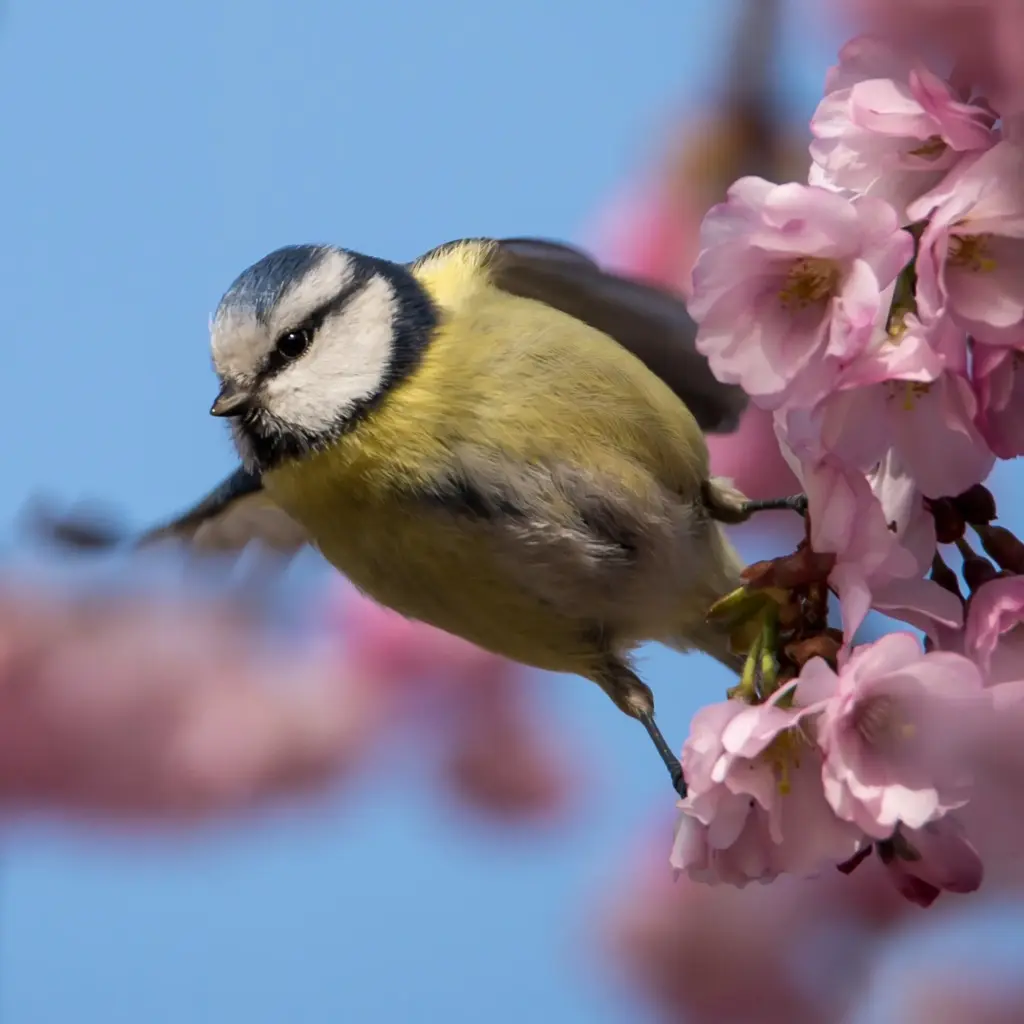
Coastal corridors funnel thousands of travelers with feathers and purpose. Without a car, you can still meet them where currents curve and dunes hold the line. Rail links to coastal towns, followed by frequent local buses and straightforward walks, open vantage points where skuas harry, terns twist, and waders stitch patterns across gleaming flats.
North Norfolk’s Sweeping Sands and Lagoons
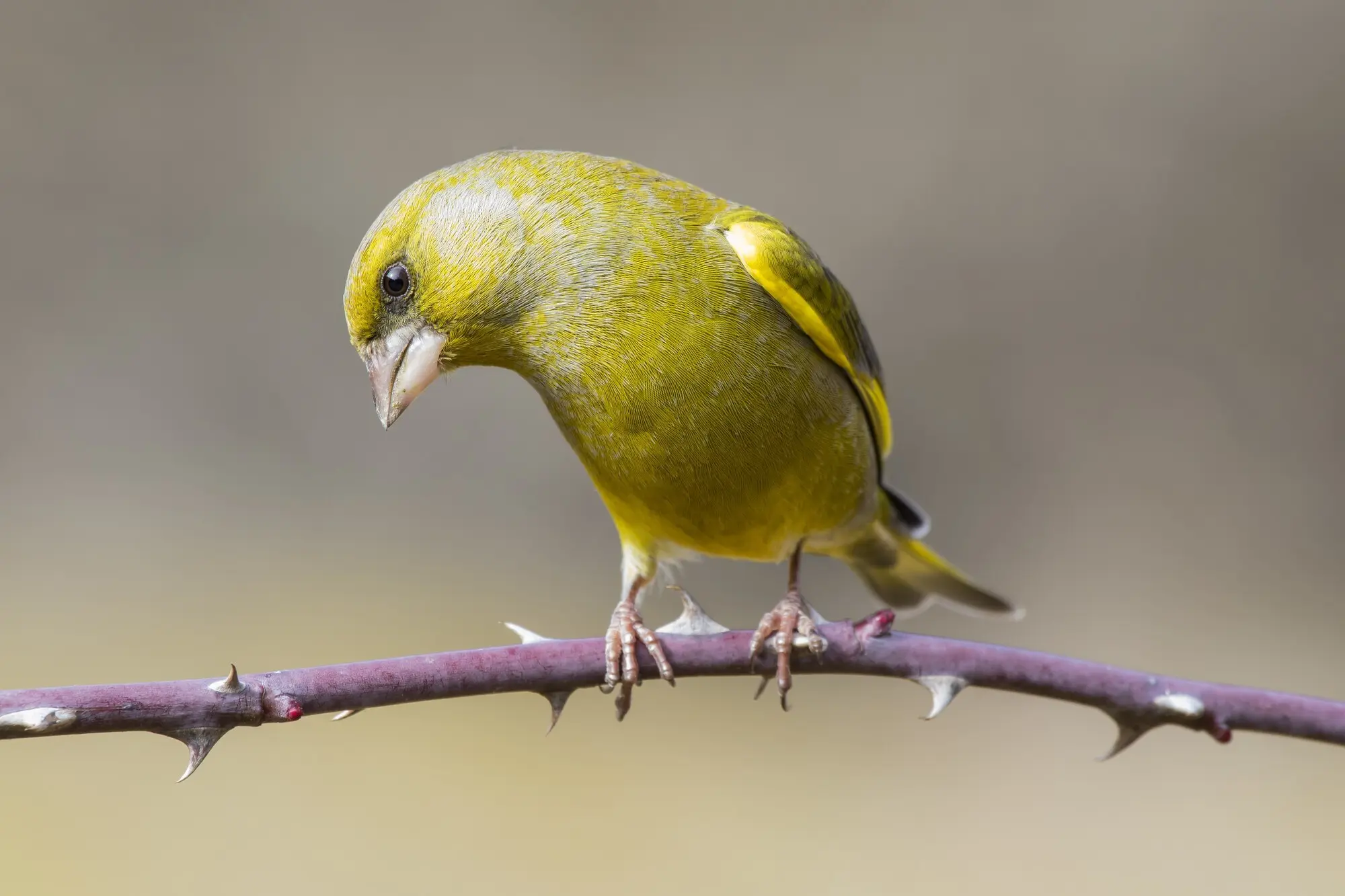
Trains bring you to the coast’s gateways, where coastal buses weave between saltmarsh, shingle, and harbors. Cley’s shingle banks and Titchwell’s lagoons host raucous gatherings in spring and autumn. Arrive early, watch the tide climb, then let the falling water invite knot, dunlin, and godwit to feed within effortless binocular range.
Morecambe Bay’s Glimmering Tides
Rail to Lancaster or Morecambe sets the stage for a shoreline procession of curlew calls and shifting silver light. Promenades and headlands become galleries when tides compress flocks into tight formations. On breezy days, keep your back to the wind, brace binoculars against a railing, and read the flock’s mood like weathered music.
Northumberland Boats and Basalt Islands
From rail connections inland, buses deliver you to Seahouses, where seasonal boats cross to island colonies. Even from shore, look for lines of auks flicking low over swells and gannets spearing clean through the surface. Time crossings kindly, respect sea conditions, and let cliff voices guide you to safe, unforgettable viewpoints.
City Skylines, Wild Flights
Brighton’s Dusk Ballet Over the Pier
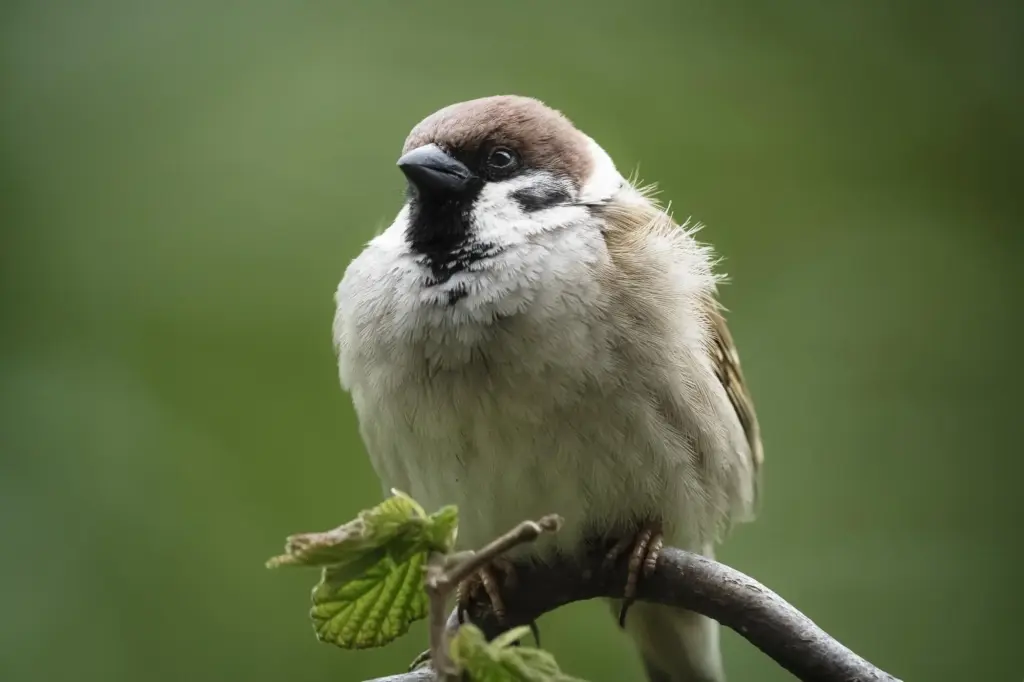
Arrive by train, follow the salty air to the promenade, and watch starlings stitch dusk into moving fabric. Their turning mass confuses predators while writing stories across a pink horizon. Choose a wind‑sheltered angle, hold still when the dance tightens, and let applause stay quiet so the sky keeps speaking uninterrupted sentences.
Rainham’s Reedbeds Beside the Rails
A short hop to Purfleet places you on riverside paths where industry softens into rushes and wide estuary views. Scopes reveal distant waders washing like script across mud. On breezy days, bearded tits ping through reeds, and raptors draw circles nobody owns. Stay present, and freight rhythms become your migration metronome.
Tyne-Side Cliff Birds on Concrete Ledges
Trains and a riverside walk deliver you to colonies that adapted steel and stone into nesting shelves. Kittiwakes and other gulls wheel against the bridges, their calls bright against urban hum. Watch tides flip the river’s texture, and scan upriver for skimming terns, because concrete can cradle wildness as tenderly as cliffs.
Care, Safety, and Respect in Every Footstep
Great sightings mean little without care for birds, places, and people. Keep to paths, give nesting zones a wide berth, and hold hush near hides. Dress for changeable weather, mind tides, and share space generously. Public transport makes journeys lighter on the land; let your presence be the gentlest footprint possible today.
Join the Flock: Community, Records, and Support
Your notes matter. Logging sightings sharpens your own skills and helps scientists trace routes across seas and hedgerows. Local groups welcome newcomers, and car‑free tips multiply options for everyone. Share itineraries, subscribe for new guides, and tell us where public transport carried you to an unexpected horizon and a longer, happier gaze.
All Rights Reserved.