
Birding Britain by Bus, Train, and Ferry: Spend Less, See More
Welcome to a practical, feather-focused guide designed for Budget Public Transport Itineraries for British Birders. We map wallet-friendly routes linking reserves, headlands, and city wetlands using trains, buses, and ferries, with timings, fare hacks, accessibility notes, and seasonal targets so your binoculars travel farther than your cash.
Smart Planning That Protects Your Wallet
Set realistic travel windows around off-peak fares, then chain together short hops that arrive near hides at tide or feeding peaks. Use National Railcards, regional rovers, and PlusBus to squeeze costs, while Traveline, eBird, and local operator apps keep connections reliable and stress-free.
Pair a 16–25, Senior, or Two Together Railcard with off-peak returns, then layer in regional rovers like the North Country, Freedom of Severn & Solent, or Highland Rover. Split-ticket tools frequently undercut walk-up prices, freeing budget for hides, hot drinks, or boat crossings.
Add PlusBus wherever available to turn a station arrival into doorstep access to reserves, villages, and coastal paths. Study first and last buses, school-day variations, and request stops, then plan walking segments or inexpensive taxis only where absolutely necessary to bridge gaps gracefully.
Coastal Seabird Weekenders Without a Car
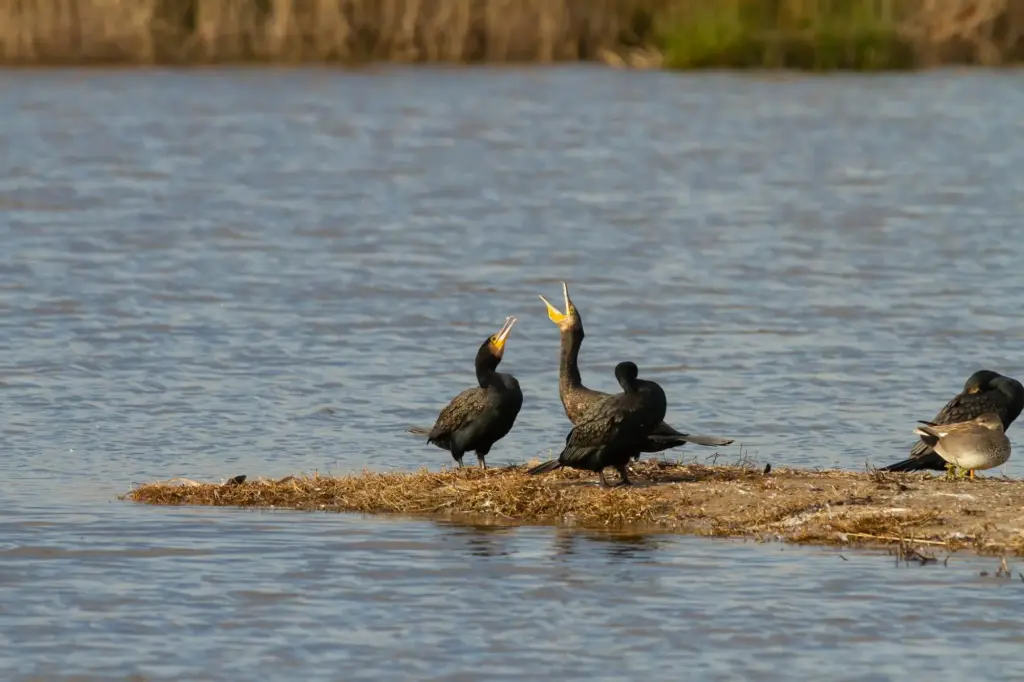
Stack Friday-evening departures with budget lodging near stations, hit dawn buses to cliffs, and ride back after evening seawatches. Timetables generally sync with summer colony hours, and flexible coach fares help if gales rearrange plans or puffins overrun your schedule with irresistible charm.
Wetland Day Trips from Big Cities
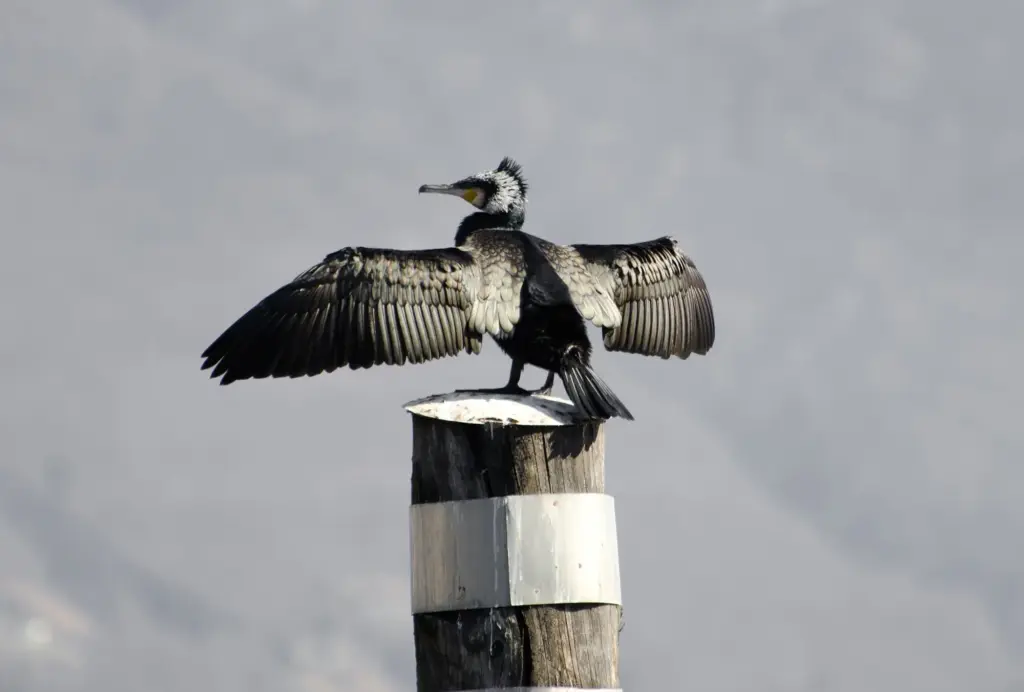
Urban hubs hide astonishing wetlands within an hour by rail and bus. Aim for first light to catch feeding frenzies, then retreat to station cafes during midday lulls. Cheap day returns, GroupSave, and PlusBus bundles keep costs predictable while your notebook fills with fresh ticks.
Norfolk Coasthopper Strategy
Arrive at Sheringham or King’s Lynn by rail and ride the Coasthopper between Cley, Blakeney, Titchwell, and Holme, hopping off for tides and wind shifts. A single day ticket unlocks repeated stops. On one blustery afternoon, a bus shelter became a seawatching hide packed with scoters and skuas.
Spurn by Bus with Storm Watching
Take the train to Hull, connect by bus to Easington or Kilnsea, then walk the final stretch toward the lighthouse, respecting closures. Autumn easterlies can drop astonishing falls of goldcrests, redstarts, and shrikes. Keep snacks, warm layers, and an eye on the last bus skirting the Humber.
Highlands and Islands with Rails and Sails
Longer journeys reward careful stacking of ferries, coaches, and rail rovers, exchanging car hire costs for scenery and seabirds. Travel light, book flexible returns, and plan weather days. You will collect stories with every crossing, from deck skuas to station pie suppers.
Mull Sea Eagles via Oban and Craignure
Take ScotRail to Oban, sail with CalMac to Craignure, then ride West Coast Motors to Tobermory or Pennyghael. White‑tailed eagles patrol sea lochs, and otters fish harbours at dawn. A multi‑day island rover shrinks costs, while flexible returns let storms pass without punishing your budget.
Cairngorm Plateau Birds from Aviemore
Base in Aviemore via rail, then use local buses to Cairngorm Mountain, Loch an Eilein, or Abernethy. Seek ptarmigan and snow bunting with care; capercaillie are highly sensitive, so follow ranger advice. Winter timetables and icy paths demand caution, warm layers, and flexible indoor backup plans.
Orkney’s Bus Network for Waders and Skuas
Ride to Thurso by rail, connect by bus to Scrabster, ferry to Stromness, then explore with Stagecoach day tickets to Birsay, Deerness, and Scapa Flow. Great and Arctic skuas, waders, and terns enliven long evenings. Reserve weather buffers; the islands reward patience with luminous, bird‑filled light.
Safety, Ethics, and Community Support
Fieldcraft That Puts Birds First
Use paths and hides, avoid playback, and let birds feed undisturbed. Share precise locations for scarce breeders carefully and after fledging. Tripods off busy paths, lenses low near water, and quiet conversations make everyone’s day better, especially volunteers who welcome considerate, low‑impact visitors returning by bus.
Weather, Tides, and Backup Plans
Check the Met Office, tidal predictions, and operator alerts before leaving. Pack gloves, mid‑layer, head torch, and reflective band for dusk roadside walks. Mark last buses in big text, and list café, museum, or library shelters that keep morale high if squalls close hides.
Clubs, Meetups, and Shared Sightings
Join RSPB local groups, county clubs, and BTO projects to swap rides between stops, learn field marks, and discover midweek specials. Share eBird lists, WhatsApp alerts, and gentle trip reports here. Subscribe, comment with your favourite route, and challenge us to design your next low‑cost circuit.
All Rights Reserved.