
Wings, Rails, and Wild Weekends Across the UK
Pack binoculars, a rail ticket, and your sense of wonder as we dive into Car-Free UK Birding Weekends, where trains, buses, and ferries become part of the adventure. Discover stations that spill you into reedbeds, coastal paths alive with seabirds, and city wetlands buzzing with unexpected migrants, while shrinking your carbon footprint and expanding your life list. Expect practical tips, inviting itineraries, and stories that prove the journey can be as memorable as the sightings it brings.

Go Far Without a Car: Seamless Transport to Feathered Hotspots
Reimagine travel as part of your birding joy. Britain’s rail lines, local buses, and coastal ferries connect you to reserves and viewpoints that reward early starts and relaxed pacing. From station platforms to boardwalk hides, smooth connections and short walks offer more time watching harriers quarter the reeds, gannets arrowing offshore, and warblers threading hedgerows. With planning, the only engine noise you’ll hear is a passing train and the whisper of wind across marsh and moor.
Seasons in Motion: When to Chase Calls, Songs, and Sea Air
Birding without a car shines brightest when timed with seasonal rhythms. Let timetables align with migration pulses, breeding surges, and winter gatherings. Spring rewards early departures and late light; summer amplifies cliffs and heath; autumn concentrates migrants; winter pours geese, swans, and divers into reachable bays. Travel days become tuned to sunrise and tide charts, while your return legs glow with satisfied weariness and the soft echo of calls still ringing in your ears.
Three Ready-to-Roll Weekends You Can Board Today
Short on planning time but hungry for birds? These stitched-together routes link dependable transport with rich habitats and welcoming towns. Each plan balances ambitious species lists with generous pauses for coffee, pastries, and notebook scribbles, ensuring joy isn’t squeezed by timetables. Mix and match legs, add a museum or harbour stroll, and always check service updates the night before. Your binoculars, a charged phone, and a simple map turn rail corridors into living field guides.
Pack Smart, Watch Smarter: Comfort, Ethics, and Inclusive Access
Travel light but prepared so you can pivot with changing weather and shifting flocks. Fewer items mean calmer transfers, easier hide etiquette, and more steady viewing. Consider accessibility from the outset, checking step-free routes and hide capacities. Ethical fieldcraft keeps birds unstressed and the experience serene for everyone nearby. Your choices—quiet voices, restrained playback, slow movements—turn crowded platforms and popular reserves into shared spaces of focus, respect, and delight, regardless of experience, age, or mobility.
The Daypack That Does It All
Prioritise binoculars, a compact waterproof, warm layers, fingerless gloves, a power bank, and a lightweight field guide or offline app. Add a notebook for sketching behaviour and jotting calls, plus a reusable bottle and high-energy snacks. Keep optics accessible near the top, and balance weight evenly. A small microfibre cloth rescues misted lenses after sea spray. When a surprise rarity pings your phone, you’ll be mobile enough to respond quickly yet comfortable enough to linger thoughtfully.
Fieldcraft for Shared Spaces
Step quietly in hides, offer spaces at windows, and keep scopes low when children are present so everyone sees. Avoid flushing birds by sticking to paths and reading reserve signage. Limit playback and pishing, especially during breeding periods, and never trample vegetation for photographs. A calm, observant presence reveals more than rushing ever can. Fellow passengers and walkers become allies, sharing tips and smiles, turning a platform chat into a joint scan that finds the weekend’s highlight.
Access for Every Birder
Check reserve pages for step-free routes, hide capacities, and accessible parking replacements like drop-off points near entrances. Many rail stations list lift availability and platform gaps; note them before departure. Compact stools support longer vigils without strain, and clear communication with companions sets realistic paces. Share accessibility reports in community forums so others plan confidently. When everyone can comfortably reach the reedbed edge, the chorus feels richer, and the weekend gathers deeper meaning for the whole group.
The Missed Connection That Delivered a Lifer
Stranded between trains near a tidal creek, I followed a footpath skirting reeds while checking updates. A metallic ping cut the breeze—then another. Bearded tits, visible for once, hopscotched across reed tops, glimmering like copper sparks. Ten unplanned minutes brought a bird I had chased for two seasons. The next train rolled in, and I boarded grinning, pockets smelling faintly of marsh and notebook pages speckled with hurried sketches that felt like treasure maps.
Platform Peregrines and Rooftop Surprises
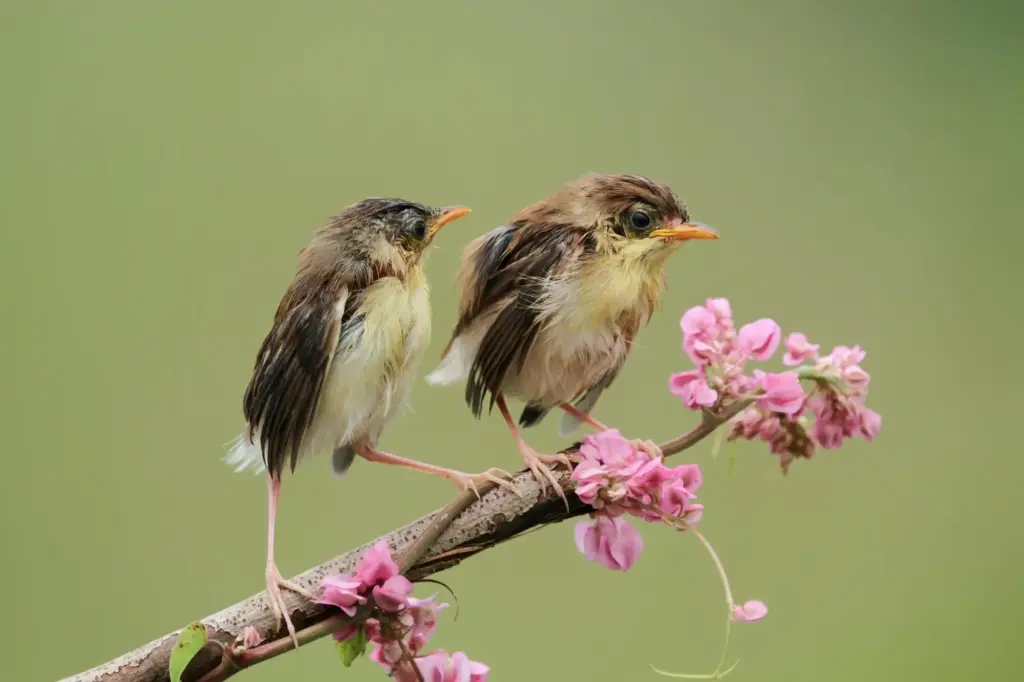
While sipping tea at a station cafe, a commotion sent feral pigeons bursting skyward. I craned up to see a peregrine slicing between iron arches, stacking wildness atop timetabled order. Later, outside another station, goldfinches rattled through plane trees, bright as confetti. These liminal places host real birding, especially with patient eyes. Moments like this recalibrate expectations: spectacular isn’t only on windswept cliffs; sometimes it perches above departure boards, indifferent to our rushing clocks.
Bus Window Birding and Local Wisdom

A coastal bus, half empty and sunlit, rolled past brackish pools dotted with teal and little egrets. The driver, hearing my excited whisper, suggested disembarking two stops later for a shorter path to a quiet screen. Minutes after stepping off, a marsh harrier drifted overhead like a held breath. Car-free travel invites conversations that become shortcuts to magic. Thank people, share finds, and pay the advice forward; it turns strangers into guides and weekends into communities.
Log What You Love
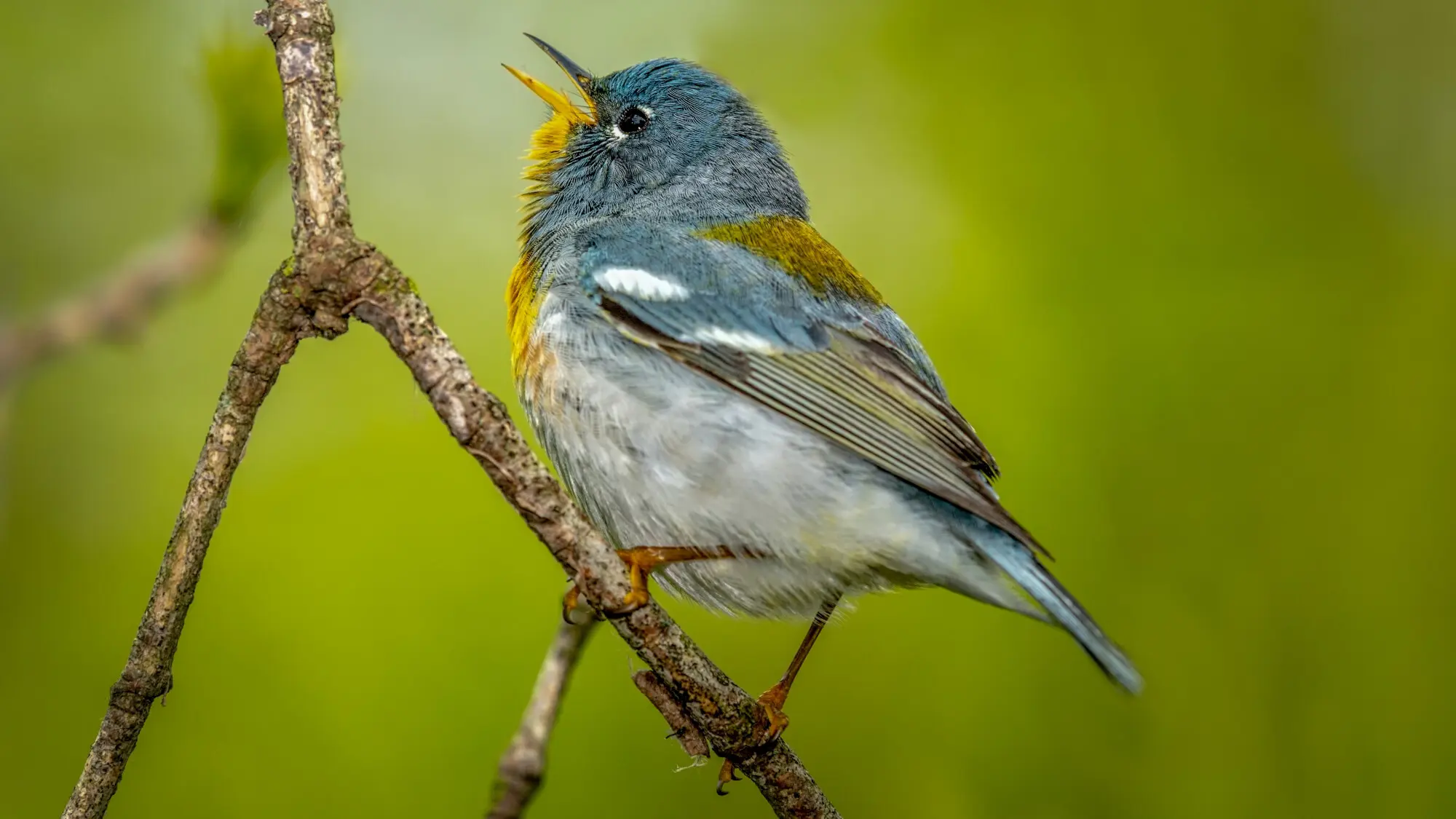
Record checklists on tools like eBird or BirdTrack, adding precise times, habitats, and behaviours. Notes about weather and tide turn data into context that helps analysts and future you. Photographs and sound snippets, when ethical and unobtrusive, reinforce tricky IDs later. Consistent logging during car-free weekends highlights how rail-linked sites contribute disproportionately to community science. Share public lists to inspire others, and celebrate misses too—they teach patterns, refine timing, and add honesty to our collective memory.
Travel Light, Tread Lighter
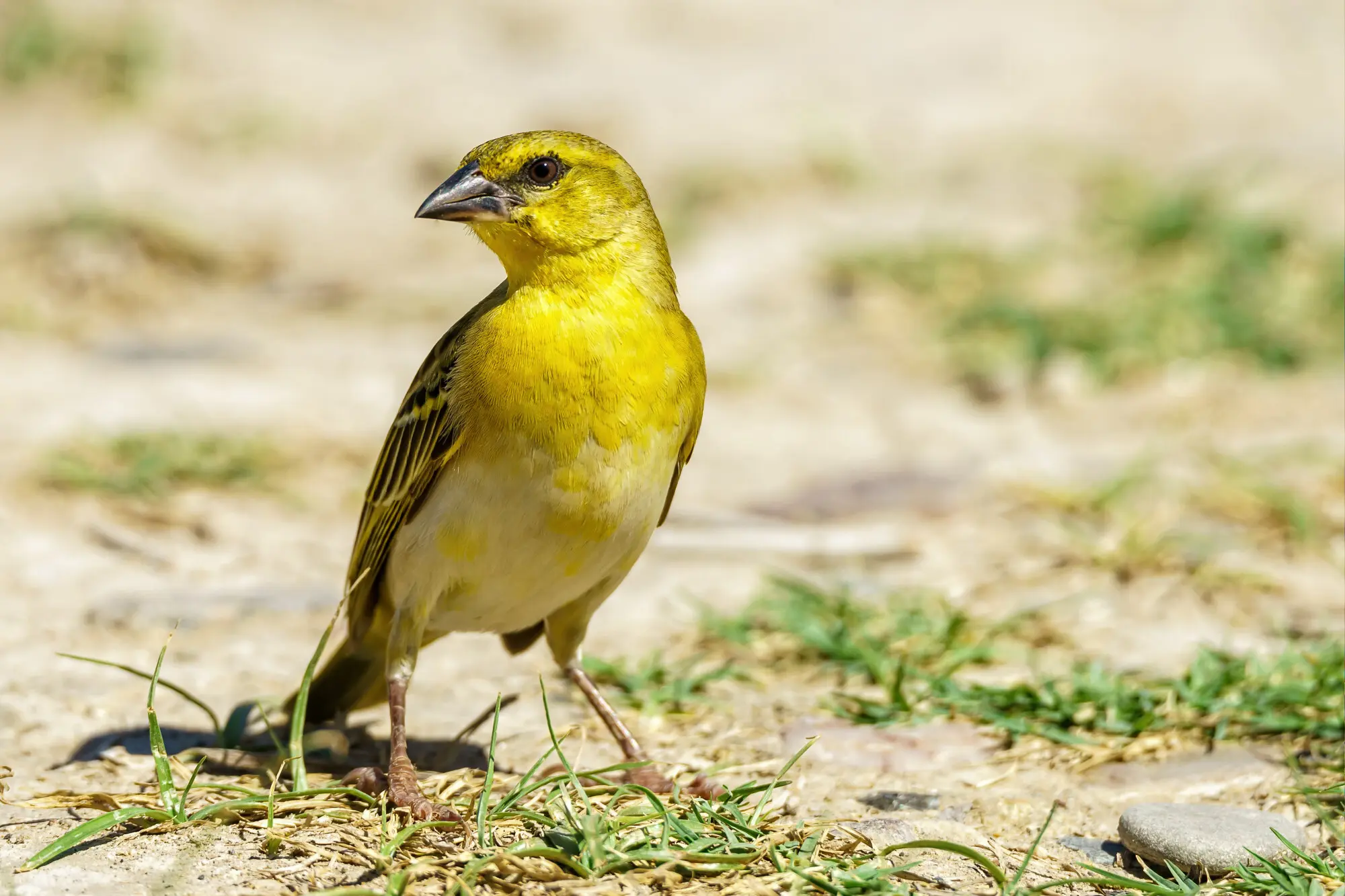
Rail travel typically cuts per-person emissions dramatically compared with solo driving, especially on electrified lines powered increasingly by renewables. Buses extend reach without ballooning footprints. Small choices—reusable bottles, local food, and refilling at visitor centres—compound benefits. By centring your weekend around walking and public transport, you also experience habitats more slowly, catching calls and signs easily missed from car windows. The climate win becomes inseparable from sharper fieldcraft and more intimate, restorative encounters.
All Rights Reserved.