Rails, Reserves, and Rare Birds: UK Day Trips Without a Car
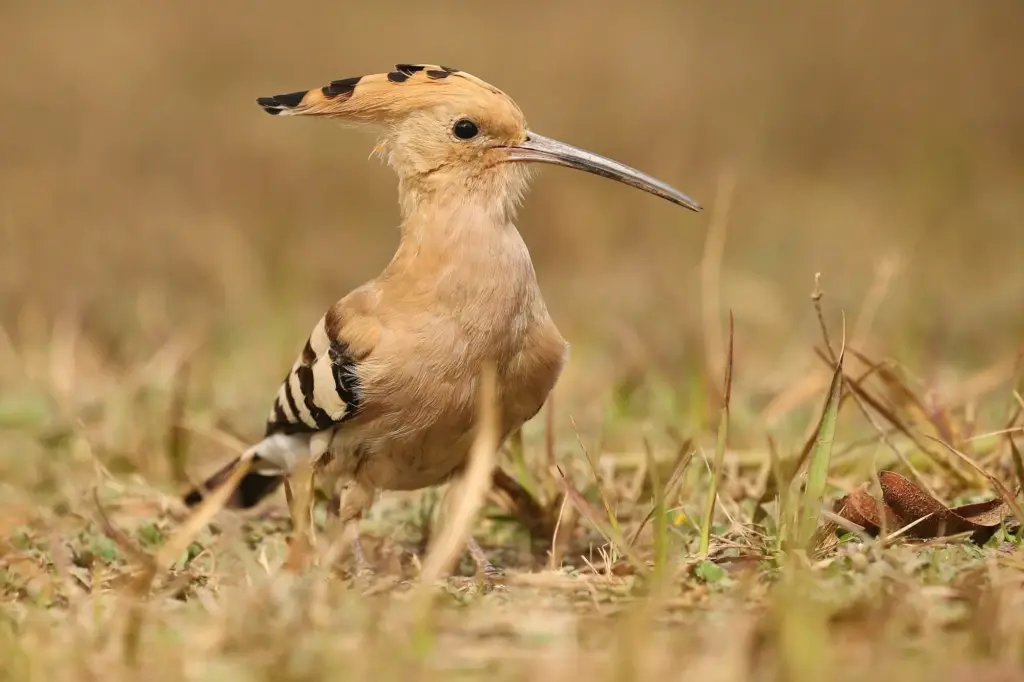
Set off on Rail-to-Reserve Birdwatching Day Trips Across the UK and discover how fast, frequent trains open doors to reedbeds, estuaries, upland moors, and soaring cliff colonies. We will map easy station-to-reserve walks, highlight seasonal wildlife moments, and share real tips drawn from lived journeys. Pack light, listen for the first chiffchaff at dawn, and watch marsh harriers quarter in late sun before catching an evening service home. Share your favorite routes, ask questions, and subscribe for fresh itineraries and timely migration alerts.

Smart Starts: Tickets, Timings, and Travel Flow

Successful birding days begin before sunrise with a plan that respects timetables, tide tables, and your energy. Use railcards, off-peak returns, or advance fares, and build buffer time for platform changes or a café stop near the station. Save local reserve maps offline, and plot paths with clear waypoints to hides or seawatch spots. Prioritize dawn and late afternoon when birds are most active, then leave room for serendipity. Share your itinerary ideas below so others can refine their own journeys and learn from your wins.

Waterside Wonders You Can Walk To From the Platform
Leighton Moss from Manchester or Liverpool

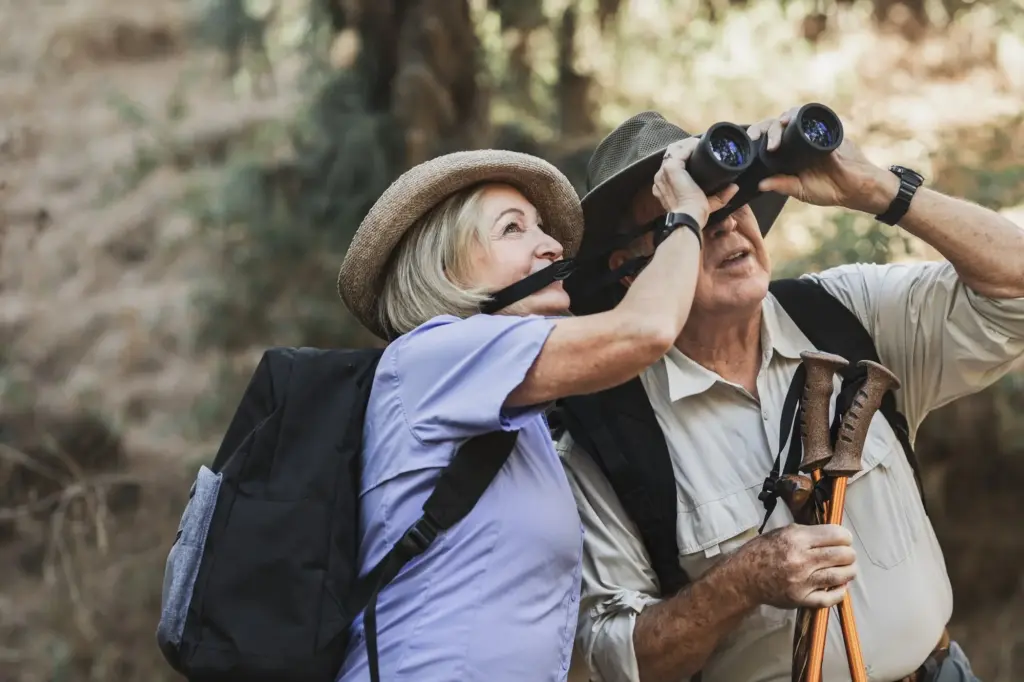
This classic day works beautifully by train to Silverdale, followed by a gentle, well-signed walk through lanes and boardwalks into reedbed heartland. Listen for bearded tits along grit trays in calm autumn weather, and scan for bitterns crossing narrow channels at dusk. Otters may ripple the pools, and marsh harriers patrol methodically overhead. Allow extra time for hides that often reward patience. If rain closes in, the visitor centre offers shelter and cake. Tell us whether you preferred the woodland loop, causeway hide, or the tower views.

Rainham Marshes from Central London

This classic day works beautifully by train to Silverdale, followed by a gentle, well-signed walk through lanes and boardwalks into reedbed heartland. Listen for bearded tits along grit trays in calm autumn weather, and scan for bitterns crossing narrow channels at dusk. Otters may ripple the pools, and marsh harriers patrol methodically overhead. Allow extra time for hides that often reward patience. If rain closes in, the visitor centre offers shelter and cake. Tell us whether you preferred the woodland loop, causeway hide, or the tower views.

Conwy Nature Reserve via North Wales Coast Line

This classic day works beautifully by train to Silverdale, followed by a gentle, well-signed walk through lanes and boardwalks into reedbed heartland. Listen for bearded tits along grit trays in calm autumn weather, and scan for bitterns crossing narrow channels at dusk. Otters may ripple the pools, and marsh harriers patrol methodically overhead. Allow extra time for hides that often reward patience. If rain closes in, the visitor centre offers shelter and cake. Tell us whether you preferred the woodland loop, causeway hide, or the tower views.

Moorland Horizons and Highland Quiet

Rail lines carve corridors into upland stillness where wind-bent grasses shelter ground-nesters and the horizon sits far, clean, and blue. These journeys demand respect for weather, navigation, and sensitive habitats, yet repay every careful step with ring ouzel fluting or golden plover whistles. Start early, carry extra layers, and mind erosion-prone paths. Mobile signal fades often, so download maps and leave your plan with someone you trust. Tell us how you balanced time between summits and sheltered gullies when the wind turned unexpectedly fierce.

Clifftop Spectacles and Boat-Linked Adventures
Seabird cities ignite the senses with wild calls, wind, and endless gliding arcs. Many are surprisingly reachable by rail plus short walks, buses, or boat trips planned with tide and weather in mind. Think gannets blasting past your shoulder, puffins bobbing among razorbills, and kittiwakes tracing white signatures across spray. Book boats early, pack a waterproof layer, and store your phone safely with a wrist strap. When forecasts change, pivot to clifftop watches. Share backup plans and crowd-free viewing spots that still feel breathtakingly close to the action.

Seasonal Playbook for Maximum Encounters
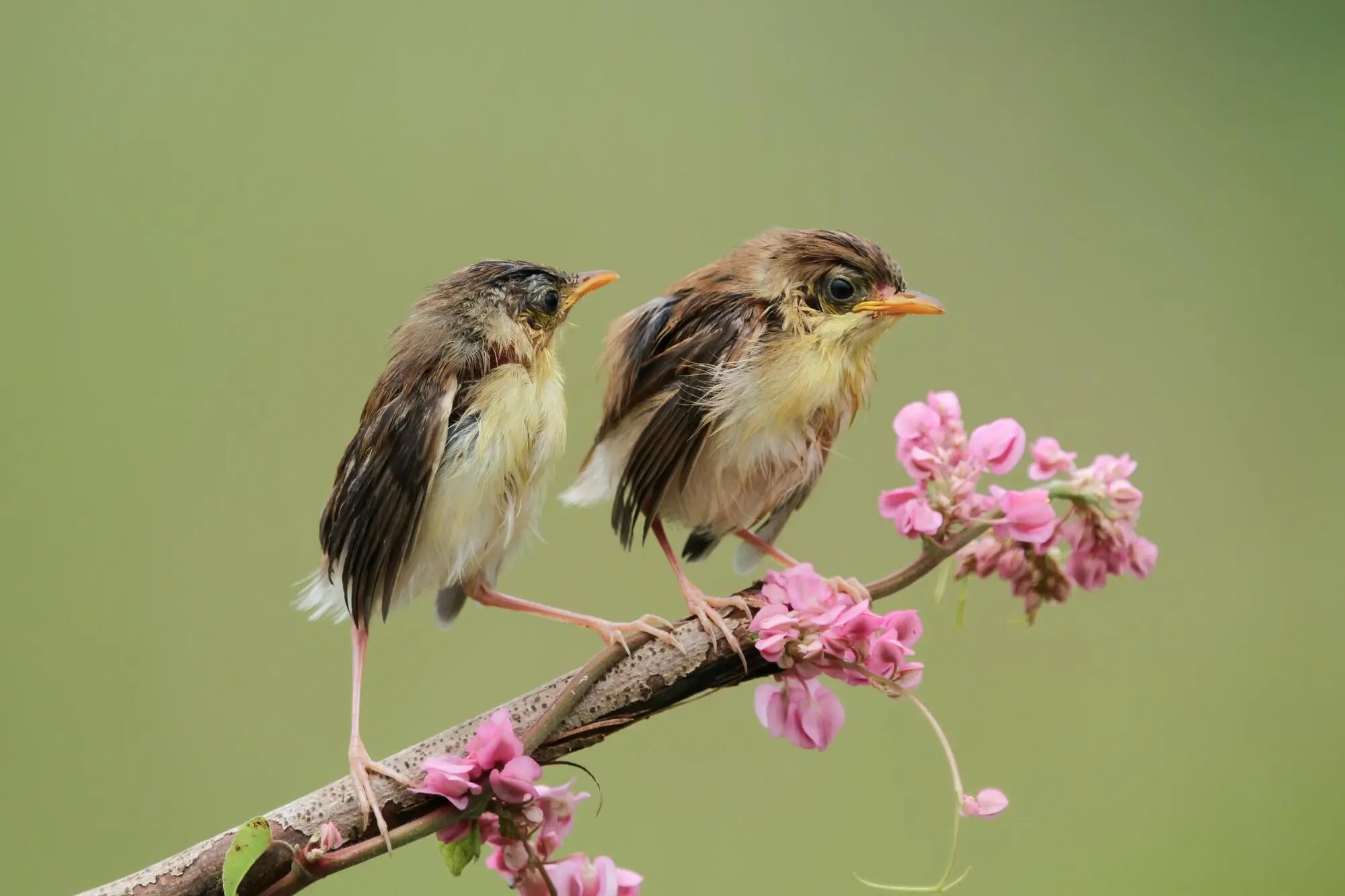
Let the calendar guide your ambitions so every rail journey intersects a natural crescendo. Spring rewards pre-dawn trains to reedbeds singing with warblers and booming bitterns. Summer spreads clifftop spectacles and dragonfly-rich marshes. Autumn rides shifting winds for seawatches and thrilling passerine falls. Winter compresses flocks at roosts and floods, with pink-footed geese lifting like smoke. Match light, tides, and wind to your target species. Share month-by-month successes, and help fellow readers choose weekends that turn simple walks from the platform into unforgettable wildlife theatre.

Travel Light, Leave Light: Access, Impact, and Community

Rail-first birding reduces congestion, shrinks your footprint, and nurtures the quiet we seek. Respect paths, keep dogs leashed where requested, and give ground-nesters generous space. Many stations and reserves now provide step-free routes and accessible hides; always verify lift status before setting out. Share sightings on eBird or BirdTrack to power conservation decisions, and thank volunteers maintaining boardwalks after storms. Swap phone numbers in our comments for buddying up on remote walks. Subscribe for alerts about route disruptions, seasonal windows, and group outings designed around inclusive access.

Lower-Carbon Journeys That Stretch Your Budget

Compare advance fares, split-ticketing, and railcards, then set price alerts a few weeks ahead of peak migration. Choose direct lines where possible to slice transfer stress and maximize time in hides. Buses extend reach affordably when walks are long, especially in coastal corridors. Pack a lightweight lunch to dodge queues and costs. Off-peak returns usually fit dawn departures and twilight arrivals well. Share your best savings hacks, quiet-car secrets for napping, and how you calculate the satisfaction of sightings multiplied by every mile not driven.

Inclusive Routes and Mobility Tips

Plan with accessibility in mind: step-free stations, reliable lifts, tactile wayfinding, and reserves with boardwalks, accessible hides, and nearby facilities. Phone ahead to confirm surface conditions after rain. Some sites lend mobility scooters or wheelchairs; ask early. Compact stools and monopods reduce fatigue during long vigils. Mark rest points on your map, and consider circular routes with café breaks near midpoints. Share which stations provided the smoothest interchanges, which hides offered the best seated sightlines, and what small adjustments made your rail-birding day comfortable and joyful.

Community, Records, and Safety

Link up with local RSPB groups, county bird clubs, and online alerts to align train days with fresh arrivals. Log observations with accurate times and grid references to strengthen datasets guiding habitat care. Carry a whistle, small first-aid kit, and spare layer for margins of safety. Check tide and weather multiple times, and avoid cliff edges in gusts. If alone, share your route and return train. Post trip reports, annotated maps, and photos in the comments. Your knowledge can turn another reader’s cautious plan into a confident adventure.